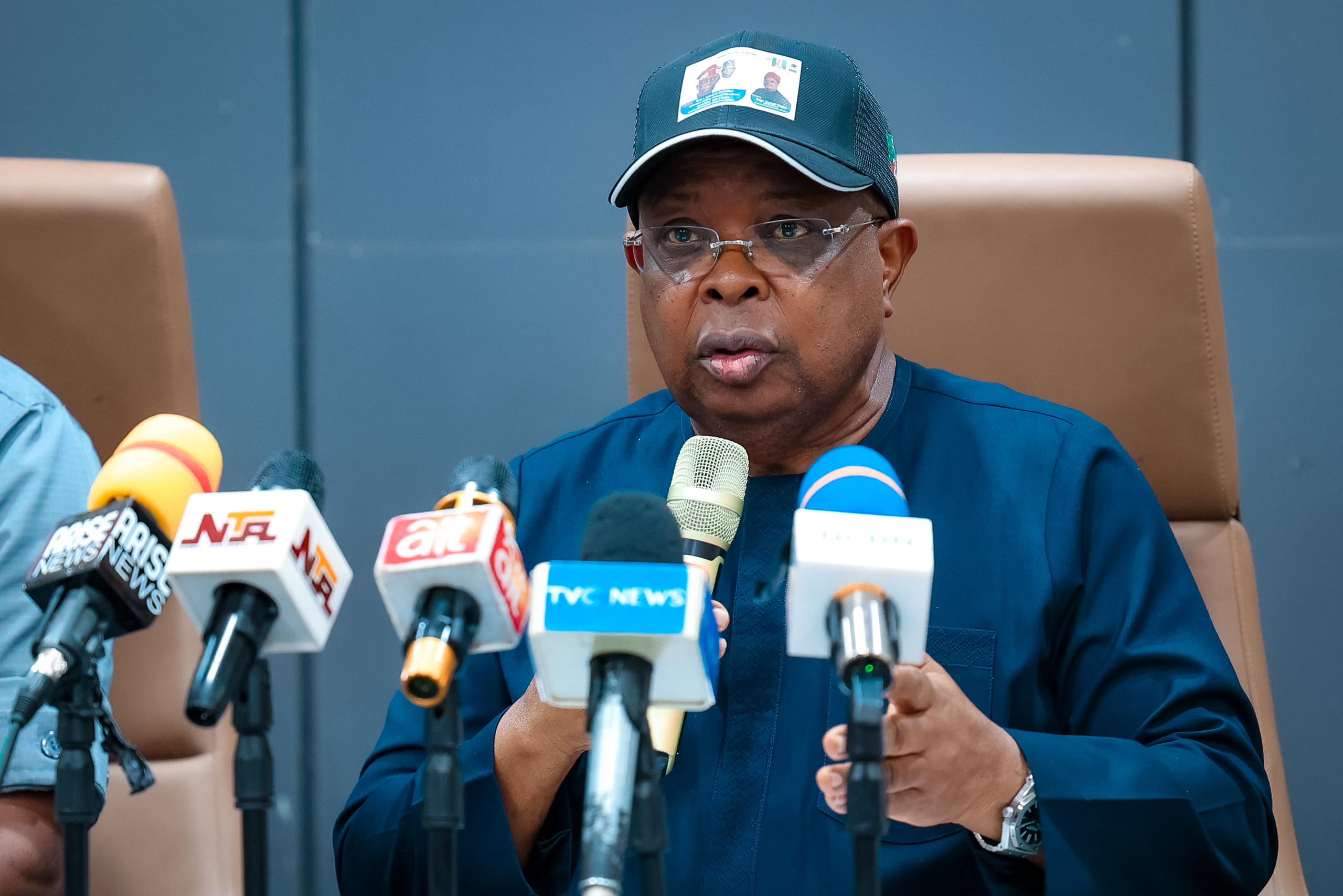
By Oke Peter
Nigeria’s electricity supply challenges, renewed efforts to strengthen transmission infrastructure, investment discussions at ADIPEC 2026 and fresh energy partnerships across the global industry dominated developments in the energy sector during the week. Across Africa and other parts of the world, governments, investors and industry operators also focused on energy security, infrastructure financing, natural gas development, renewable energy deployment and the growing influence of artificial intelligence on the energy value chain.
Nigeria: Power infrastructure, supply challenges and ADIPEC takeaways
Nigeria’s power sector recorded a significant development with the release of 98 containers of stranded electricity equipment by the Nigeria Customs Service (NCS), following an intervention by the Federal Government and the Minister of Power, Joseph Tegbe.
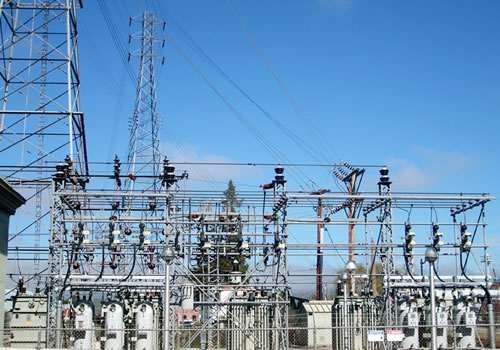
The equipment, some of which had remained at the nation’s ports for between 14 and 20 years, formed part of more than 300 containers awaiting clearance. The first 44 containers were released at Apapa ports on November 6, with the remaining 54 released same day, making the total 98. The consignments include transformers, cables, conductors, switchgear and other critical materials required for transmission and power infrastructure projects. Their evacuation is expected to support stalled projects, relieve pressure on substations and improve the capacity of the national grid.

•The Comptroller-General of Customs, Bashir Adeniyi (middle), the Honourable Minister of Power, Joseph Tegbe and others during the event.
Meanwhile, electricity consumers continued to contend with poor power supply as reduced electricity generation translated into lower allocations to distribution companies. The situation also triggered a public disagreement between the Transmission Company of Nigeria (TCN) and Ikeja Electric (IKEDC).
TCN rejected suggestions that transmission network failure was responsible for the shortfall experienced by Ikeja Electric customers, maintaining that the reduced supply resulted from declining generation and the corresponding allocation to the distribution company. The disagreement once again highlighted the need for improved coordination, transparency and accountability across Nigeria's electricity generation, transmission and distribution segments.
In another infrastructure development, the Minister of Power commissioned a power transformer project in Zamfara State as part of efforts to strengthen electricity delivery and support the state's economic activities. The intervention reflects the Federal Government's broader approach of addressing electricity infrastructure gaps through improved transmission and distribution capacity.

•Honourable Minister of Power, Joseph Tegbe (middle) and others during the commissioning of 1MW mini-grid / 2.4MW BESS at the Ahmed Sani Yariman Bakura Specialist Hospital and 1.5MW / 3.6MW BESS for the Government House and its auxiliary facilities at Gusau recently.
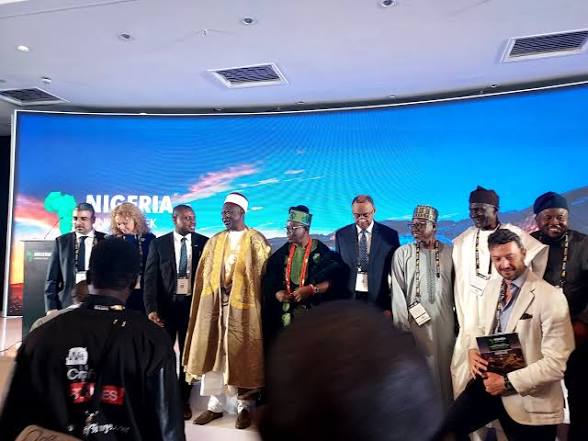
Beyond domestic developments, Nigeria's participation at the Abu Dhabi International Petroleum Exhibition and Conference (ADIPEC) 2026 provided an important opportunity to promote its investment prospects and engage international energy companies.
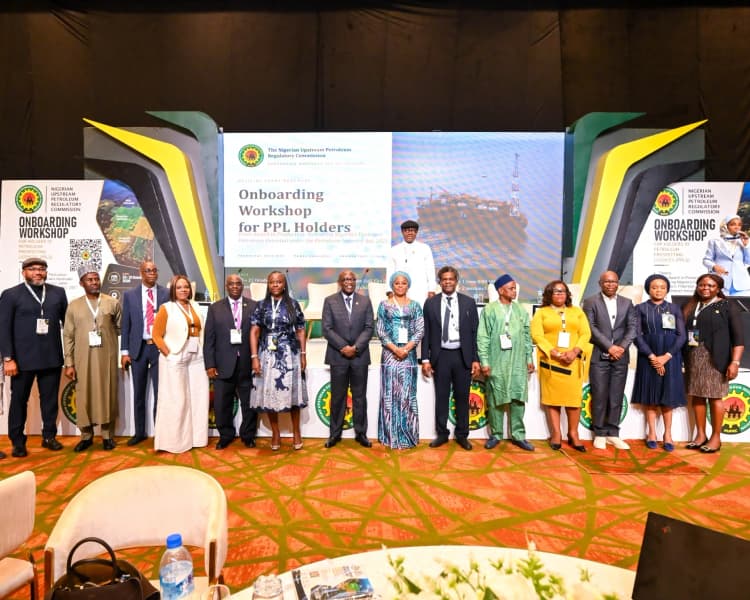
The conference, held from November 2 to 5, brought together government representatives, energy executives, financiers and technology companies. Nigerian participation, including engagements by NNPC Limited, the Nigerian Upstream Petroleum Regulatory Commission (NUPRC) and the Nigerian Content Development and Monitoring Board (NCDMB), centred on investment opportunities, regulatory reforms, local content development and the need to accelerate upstream project delivery.
A major takeaway for Nigeria was the importance of converting investment conversations into bankable projects, improving the operating environment, strengthening local capacity and positioning the country's oil, gas and emerging energy industries to compete for international capital. NUPRC also used the platform to promote the country's forthcoming licensing round involving 40 oil and gas blocks, with its bid portal scheduled to open on November 20.
Africa: Energy financing and renewable fuel investments gain momentum
Across Africa, the formal launch of the Africa Energy Bank in Abuja emerged as a major development for the continent's oil and gas industry. The institution is designed to provide financing for African hydrocarbon projects at a time when several international financial institutions are reducing their exposure to fossil fuel investments.
The bank represents an attempt by African countries to mobilise domestic and regional capital for the development of their oil and gas resources, although its long-term impact will depend on its ability to attract funding and finance commercially viable projects.
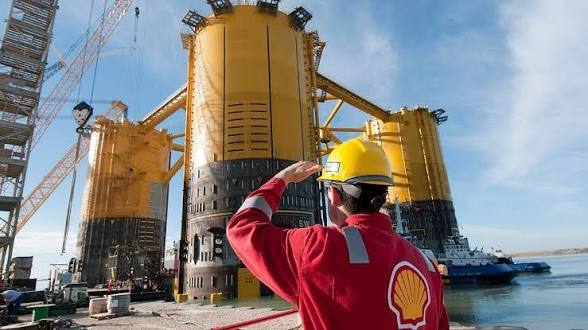
In Egypt, Green Sky Capital advanced plans for a sustainable aviation fuel (SAF) facility at Ain Sokhna after securing project financing. The facility, located within the Suez Canal Economic Zone, is designed to produce sustainable aviation fuel and other renewable products from used oils. Shell's offtake commitment provides an important commercial foundation for the project, which is targeting export markets in Europe and the United Kingdom.
The development highlights the growing investment opportunities in Africa's alternative fuels market, particularly as aviation companies face increasing pressure to reduce emissions.
Global energy: LNG agreements, oil market volatility and investment
On the international front, the LNG market recorded fresh commercial activity as ADNOC signed a 10-year supply agreement with India's Gujarat Energy for the delivery of up to four million tonnes of liquefied natural gas.
Deliveries are expected to commence in 2028, marking the first sale of gas from XRG's international portfolio through ADNOC's LNG marketing platform. The agreement further strengthens India's efforts to secure long-term gas supplies for its industrial and domestic markets.
Another significant agreement involved ADNOC Gas and TotalEnergies, which signed a five-year LNG supply arrangement covering up to 1.6 million tonnes. Deliveries are expected to commence before the end of 2026, reinforcing the importance of long-term contracts in securing supplies amid market uncertainties.
Oil markets, meanwhile, remained sensitive to geopolitical developments, particularly tensions involving the United States and Iran and their potential implications for crude shipments and supply security.

US Energy Information Administration data showed that commercial crude inventories declined by approximately 900,000 barrels to 409.8 million barrels in the week ended October 30. American crude production also increased to approximately 14 million barrels per day, reflecting the country's continuing importance in global oil supply.
The week also saw XRG agree to acquire Shell's interest in Australia's North West Shelf LNG project for $1.5 billion, while Abu Dhabi's TA'ZIZ secured financial close on AED5.1 billion for its terminal and ammonia projects. These transactions underscore continued investor interest in gas infrastructure, industrial development and international energy trade.
Energy events: ADIPEC sets the investment agenda
Beyond commercial transactions, ADIPEC 2026 stood out as one of the most significant international energy gatherings of the week. The four-day event attracted approximately 240,000 participants from 170 countries, with more than 2,260 exhibiting companies and over 1,800 speakers.
Organisers reported more than 50,000 agreements valued at an estimated $67 billion, representing a 26.4 per cent increase compared with the previous edition.
Discussions focused on energy security, investment, artificial intelligence, infrastructure resilience, oil and gas development and the integration of advanced technologies into energy operations. The partnership between ADNOC, OpenAI and G42 particularly demonstrated the increasing convergence of artificial intelligence and the energy industry.
The bigger picture: The week's developments reinforced an important reality: the global energy industry is pursuing multiple pathways simultaneously. While oil and gas investments remain central to energy security and economic growth, renewable fuels, artificial intelligence, electricity infrastructure and innovative financing are increasingly shaping the industry's future. For Nigeria and other African countries, the challenge is to translate international engagements and investment announcements into bankable projects, stronger infrastructure, improved energy access and tangible economic benefits.