By Charles Ogunmakin
When international crude oil prices surged earlier in June 2026 amid tensions in the Middle East, petroleum marketers in Nigeria wasted no time increasing the pump price of Premium Motor Spirit (PMS). Yet, as crude prices retreated from around $120 per barrel to about $72 per barrel following the easing of geopolitical tensions, Nigerians expected fuel prices to follow the same downward path. That has not happened.
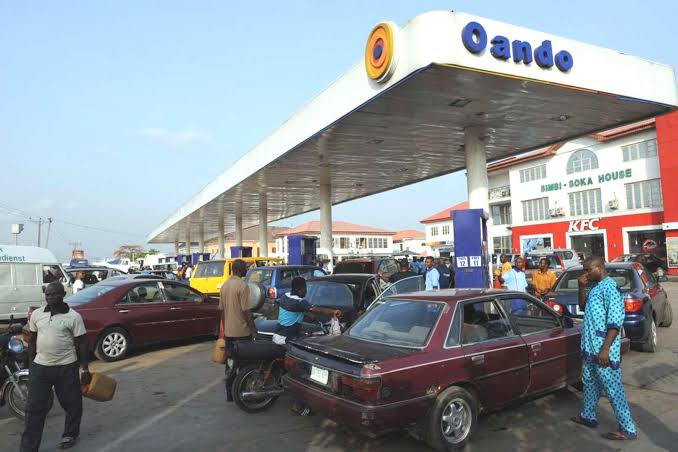
Instead, consumers have continued to pay elevated prices while many filling stations insist that market realities have not changed enough to justify an immediate reduction. The development has reignited public anger and renewed accusations that a powerful fuel cabal still dictates the downstream petroleum market despite the promise of deregulation.

However, on June 29, 2026, the Minister of State for Petroleum Resources (Oil), Heineken Lokpobiri, directed the Nigerian Midstream and Downstream Petroleum Regulatory Authority (NMDPRA) to ensure that marketers reflect the fall in global crude prices in their retail prices while preventing profiteering.
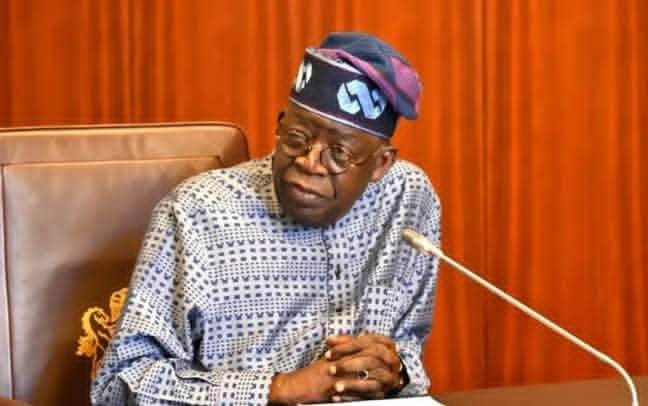
Recall that since President Bola Tinubu announced the removal of petrol subsidy on May 29, 2023, Nigeria's downstream petroleum sector has operated under a deregulated pricing regime. In theory, government no longer fixes pump prices; competition is expected to do that. The same policy that allows marketers to increase prices when costs rise also limits government's legal room to compel immediate price cuts when costs fall.
To cushion the impact of subsidy removal, the Federal Government rolled out several interventions, including cash transfers to vulnerable households, support for mass transit, wage-related relief measures and the introduction of compressed natural gas (CNG) initiatives aimed at reducing transport costs. While these measures have offered some relief, inflation and persistent high fuel prices have continued to erode their impact for many Nigerians.
Marketers, on their part, argue that the issue is more complex than crude prices alone, they point to existing inventories purchased at higher costs, exchange-rate volatility, logistics expenses and financing costs. Industry analysts also describe a "rockets and feathers" pricing pattern, where retail prices rise quickly when costs increase but decline slowly after costs fall because operators seek to recover previous losses.
Many consumers believe the downstream market reacts with remarkable speed when price increases favour marketers but becomes painfully slow whenever reductions should benefit motorists. This perception has strengthened public suspicion that deregulation is serving entrenched commercial interests more effectively than consumers.

The controversy has become even more political following reports that some marketers and industry groups warned that any attempt by government to administratively force pump-price reductions under a deregulated regime could disrupt supply or trigger industrial action. Such warnings place government in a difficult position: intervene aggressively and risk accusations of reversing deregulation, or stay back and face public criticism for allowing consumers to bear the burden.
Consequently, Nigerians increasingly question whether deregulation truly promotes competition or merely transfers pricing power from government to a handful of dominant market players. Confidence is further weakened whenever pump prices climb almost instantly after international shocks but remain stubbornly high long after those shocks have faded.
Ultimately, this is a test of whether Nigeria's deregulated petroleum market can operate with transparency, genuine competition and effective regulatory oversight. If falling international oil prices consistently fail to translate into lower pump prices, many Nigerians will continue to view deregulation not as an economic reform, but as another system where a privileged few profit while millions shoulder the cost.
For government, restoring confidence will require more than appeals to marketers – it will demand firm regulatory oversight, transparent pricing mechanisms, stronger competition and the political will to ensure that deregulation delivers benefits not only to investors and marketers but also to the ordinary Nigerian whose daily survival depends on the price displayed at the filling station.
•Ogunmakin is a public affairs analyst. He sent in this piece via charlesog@gmail.com