By Gold Jeremiah
What if the next source of clean energy in Lagos is not crude oil, natural gas or sunlight, but something far less glamorous—spoilt pineapples, watermelon peels and even human waste?
That may sound strange, but Lagos is increasingly experimenting with technologies that turn materials traditionally regarded as rubbish into useful energy, offering an unusual glimpse into how waste could become part of the city's energy mix.
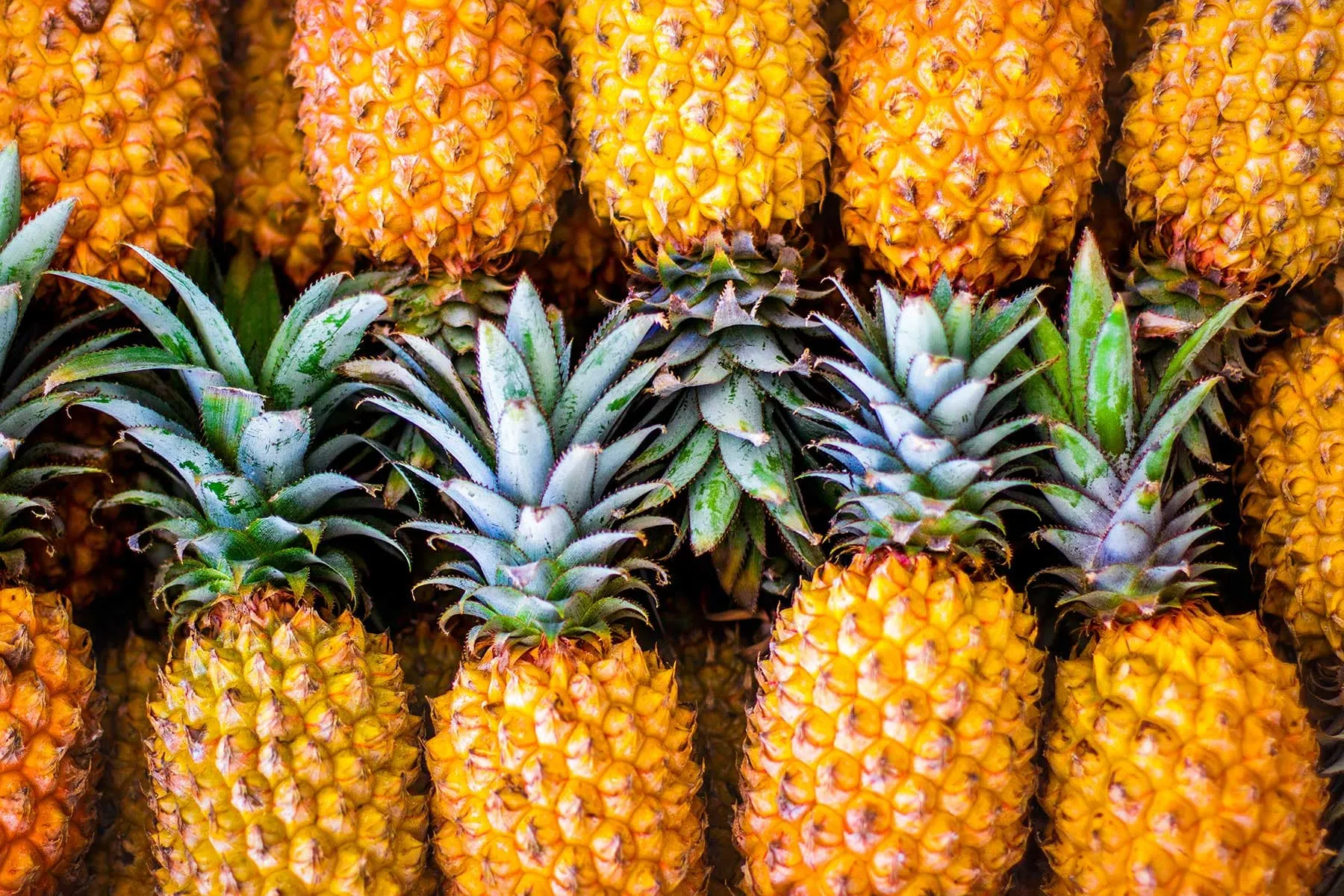
At the Ikosi Fruit Market in Ketu, rotten pineapples and watermelons are no longer simply discarded. They are being collected and fed into an anaerobic biodigester, where microorganisms break down the organic material in the absence of oxygen to produce biogas. The methane-rich gas is then purified and used for cooking, market lighting and phone-charging businesses.

•Lagos State Governor Babajide Sanwoolu.
The project, delivered by the Lagos State Government in partnership with C40 Cities and supported by UK International Development, was designed as a practical demonstration of how organic waste can be diverted from dumpsites and converted into energy and fertiliser.
The numbers make the experiment particularly interesting. Lagos State estimates that it generates about 5,600 tonnes of organic waste every day. At Ikosi Fruit Market alone, the market generates approximately 30 tonnes of solid waste daily, about 90 per cent of which is organic. The market serves more than 1,000 traders, about 80 per cent of them women.
The initial project was designed to divert about 0.5 tonnes of organic waste daily into the biodigester. C40's estimates indicate that the intervention could produce about 30 kWh of electricity per day, avoid approximately 9,000 tonnes of CO₂-equivalent emissions annually and support about 24 jobs when the associated waste-diversion activities are considered.
More recent reporting from the market puts electricity generation at between 24 and 28 kWh per day, depending on operating conditions, while the methane produced by the digester is being used by food vendors and other small businesses. The remaining digestate is converted into biofertiliser.
The project is also an attempt to solve a peculiar urban-energy problem: food that becomes waste because it cannot be sold quickly can contribute to the same environmental problems the city is struggling to control. When organic waste decomposes under landfill conditions, it produces methane, a potent greenhouse gas.
But Lagos' energy oddities do not stop at rotten fruit. At Ojota Bus Stop, a very different type of waste is being given an energy value: human excreta.
The Lateef Jakande Leadership Academy has launched the “Pee-Po-to-Power Lagos” waste-to-energy project, centred on a 30-cubic-metre anaerobic biodigester installed at an upgraded public toilet. The facility is designed to process waste generated by at least 350 users a day.
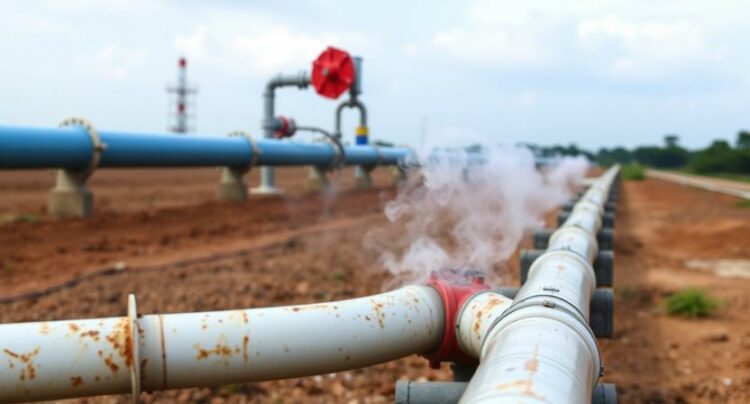
The principle is similar to the Ikosi project. Human waste enters the biodigester, where anaerobic digestion produces biogas. The remaining effluent is subsequently treated through filtration before discharge. According to the project team, the system could also greatly reduce the frequency with which the facility requires septic-tank evacuation—from roughly every two weeks to potentially several years.

The project plans to supply the biogas free of charge to nearby women food vendors, potentially reducing their dependence on charcoal and other conventional cooking fuels. Future phases could convert the gas into electricity for the toilet and surrounding infrastructure.
Lagos is a megacity battling enormous volumes of waste while simultaneously facing the need for more affordable and cleaner energy. The Ikosi project was initially conceived as a pre-scale-up demonstration, with C40 noting that similar interventions could eventually be considered across 35 food markets in the city.
If scaled intelligently, the concept could transform the way Lagos views waste—not simply as something to collect and bury, but as a resource containing energy, nutrients and economic value.
For now, however, the sight of a pile of rotten pineapples producing cooking gas—or a public toilet producing biogas—remains an odd reminder of an uncomfortable energy truth:
Sometimes, what Lagos throws away may contain more value than it realises.