By Gold Jeremiah
It is one of the most common experiences in Nigeria and Africa. Dark clouds gather, thunder rumbles in the distance, and just as the rain begins to pour, the lights go out. For many households, the sequence is so predictable that it has given rise to a popular saying: Rain has taken the light."
The truth is that electricity does not disappear because of rain, instead, heavy rainfall exposes the weaknesses of the power network and activates safety systems designed to prevent accidents. What appears to be a mystery is actually a carefully engineered response to dangerous weather conditions.
Contrary to popular belief, rainwater itself is not the biggest enemy of electricity – the real threats are lightning, strong winds, flooding and falling objects that accompany severe storms.

A single bolt can carry hundreds of millions of volts and temperatures approaching 30,000 degrees Celsius —about five times hotter than the surface of the sun. If it strikes a transmission line, transformer or substation, the resulting electrical surge can destroy sensitive equipment almost instantly.
To prevent widespread damage, utilities install protective devices known as relays and circuit breakers because these devices constantly monitor the network and automatically disconnect electricity the moment they detect abnormal voltage or current. In many cases, the power outage people experience during a storm is actually the system protecting itself.
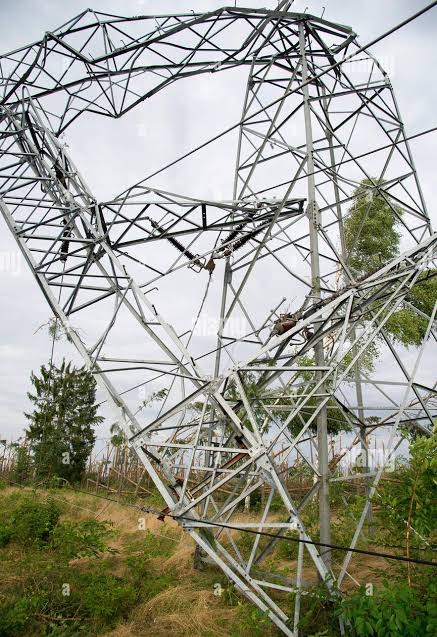
However, across Nigeria, much of the electricity network relies on overhead power lines. During heavy rainstorms, trees, billboards and even roofing sheets can be blown onto these lines, causing short circuits or snapping conductors. Once this happens, protection equipment isolates the affected section to prevent fires and electrocution.
Water can seep into transformers, switchgear and underground cables, reducing insulation and increasing the risk of electrical faults, rather than allow electricity to continue flowing through compromised equipment, operators often shut down supply until inspections confirm that it is safe to restore service.
Also, distribution companies sometimes deliberately disconnect feeders serving areas experiencing severe storms. While this may frustrate consumers, it helps protect both the electricity network and emergency workers who may need to repair damaged lines in hazardous conditions.

For instance, Nigeria experiences thousands of thunderstorms annually, particularly between April and October. The tropical climate produces intense rainfall and frequent lightning, placing considerable stress on electricity infrastructure. Networks that are ageing, overloaded or poorly maintained become even more vulnerable during such weather.
This explains why some communities lose power during almost every heavy rain, while others remain unaffected. The difference often lies in the condition of local infrastructure. Areas with newer transformers, stronger poles, properly trimmed vegetation and upgraded protection systems generally recover more quickly or avoid outages altogether.
Another interesting reason outages seem more common than they really are because most people only notice electricity when it is interrupted. A power line may operate reliably for months, but one blackout during a storm leaves a lasting impression, reinforcing the belief that rain and electricity simply cannot coexist.
Yet countries with some of the world's wettest climates—including Singapore, Malaysia and parts of northern Europe—maintain reliable electricity throughout prolonged rainfall because their networks are designed with stronger storm protection, underground cables in many urban areas and continuous maintenance programmes that reduce weather-related faults.

For Nigeria, improving electricity reliability during storms will depend not only on generating more power but also on modernising transmission and distribution infrastructure. Replacing ageing equipment, strengthening poles, trimming trees near power lines and installing more advanced protection devices can significantly reduce rain-induced outages.
So, the next time dark clouds gather and the lights suddenly go out, remember that the rain has not "switched off" electricity. More often than not, the network has switched itself off to protect lives, equipment and the grid from the immense forces unleashed by a storm.
Whenever the lights go off when it rains, it is that an invisible system, stretching hundreds of kilometres across cities and villages, can detect danger in milliseconds and sacrifice temporary convenience to prevent far greater damage. That split-second decision is one of the most remarkable—and least understood—features of modern electricity.