By Oke Peter
From oil and gas summits to electricity conferences, renewable energy exhibitions and climate forums, the global energy industry has become a meeting point for business, policy and innovation. But how much of the discussion translates into real progress?
Did you know that the energy, power, oil and gas industries host hundreds of conferences, exhibitions, summits, workshops and technical meetings across the world each year? The exact global total is difficult to establish because there is no single comprehensive database covering every event, including smaller regional meetings, online webinars and specialised technical conferences.
However, industry calendars illustrate the scale of the activity, a 2026 calendar compiled by Modalpoint, for instance, lists 41 oil and gas and broader energy conferences, while the Institute of Electrical and Electronics Engineers Power and Energy Society maintains a separate calendar of technical conferences covering electricity systems and related technologies. These are examples of the extensive event landscape, not a count of all global gatherings.
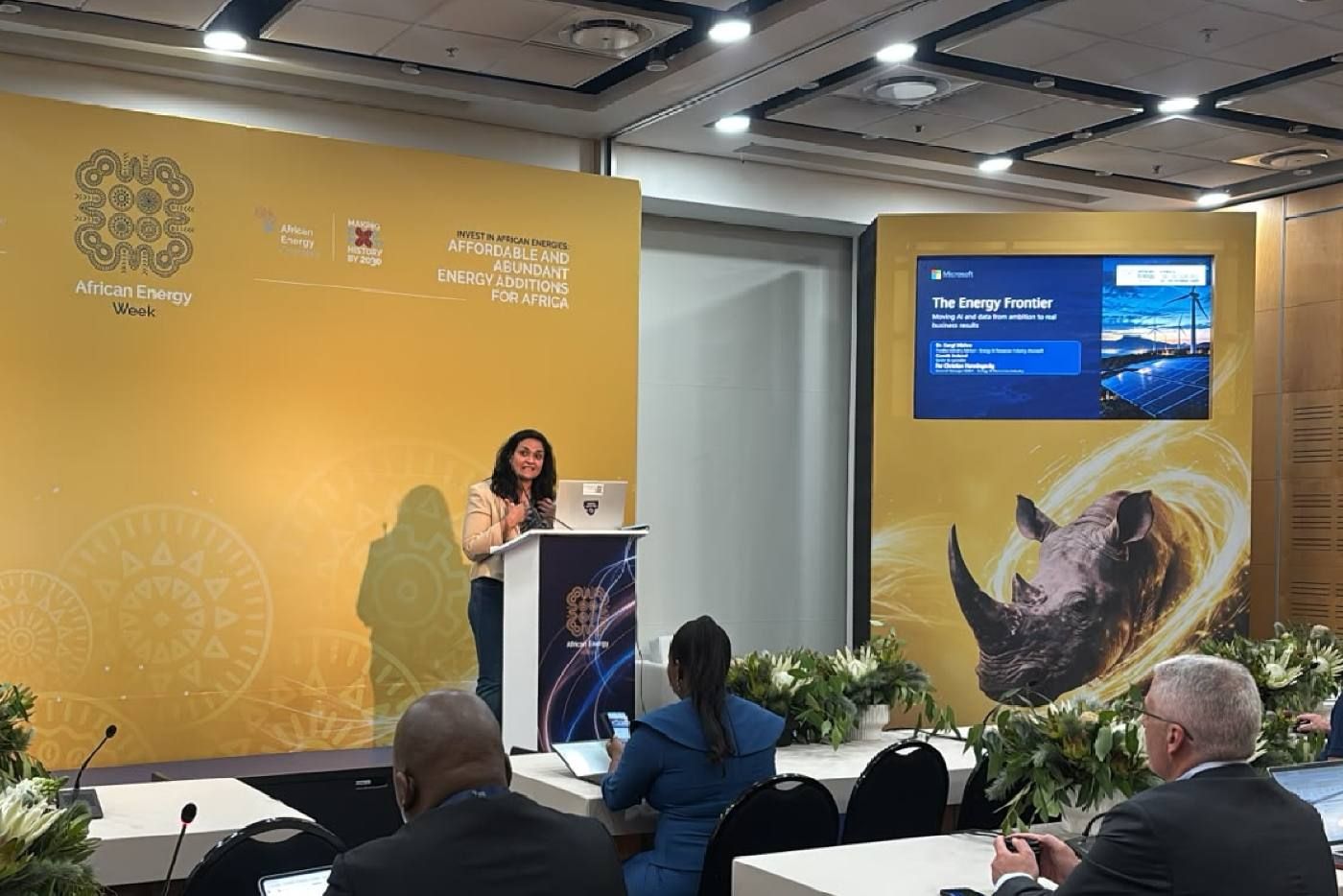
From CERAWeek in the United States and India Energy Week to African Energy Week in South Africa and ADIPEC in the United Arab Emirates, these gatherings bring together governments, investors, energy companies, engineers, regulators, researchers, technology providers and journalists to discuss the future of energy.
How energy events are shaping the industry
One major contribution of these events is their ability to connect capital with opportunity – investors can meet project developers, governments can present investment opportunities, and companies can negotiate partnerships across exploration, production, refining, gas distribution, electricity generation and renewable energy.
They also provide platforms for policy conversations about energy security, electricity access, gas development, carbon emissions and clean cooking can influence national priorities and investment decisions. Technical exhibitions allow companies to demonstrate equipment, digital monitoring systems, battery storage solutions, solar technologies and other innovations that could improve efficiency and reliability.
For Africa, these gatherings can help attract investment into oil and gas infrastructure, electricity networks, mini-grids and renewable energy. They can also give countries an opportunity to explain why expanding energy access, creating jobs and developing local industries must remain central to the continent's energy transition.
Nevertheless, the value of an event should not be measured only by the number of delegates, exhibition stands or memoranda of understanding signed. Its real importance lies in the projects completed, financing secured, technologies deployed, policies implemented and communities that ultimately benefit.

When networking becomes the product
The cost of participation can be prohibitive as international flights, accommodation, registration fees, exhibition stands and sponsorship packages can consume substantial resources. Smaller companies, local innovators, community organisations and independent media outlets may struggle to participate, leaving influential conversations dominated by organisations with deeper financial pockets.
Also, conferences frequently produce ambitious declarations, investment pledges and partnership agreements. Yet some projects encounter financing difficulties, regulatory obstacles, political uncertainty or commercial disagreements after the delegates have returned home. Without transparent follow-up, it becomes difficult to distinguish genuine progress from publicity.
Going forward, an event may attract major investors and celebrate new oil and gas opportunities without adequately addressing pollution, environmental restoration, energy poverty, affordability or the concerns of host communities. Equally, renewable energy conferences can promote impressive technologies without sufficiently confronting the challenges of financing, storage, transmission infrastructure and affordability.
Moreover, large international gatherings involve air travel, hotel operations, catering, construction of exhibition stands and substantial material consumption. Virtual participation and lower-carbon event management can reduce some of these impacts, although they cannot eliminate them entirely.
There is also the risk of conference fatigue. When similar discussions recur across multiple events without measurable implementation, participants may spend more time travelling, networking and presenting than solving persistent industry problems.
What should change?
Organisers should publish follow-up reports showing which commitments have been fulfilled, which projects have reached financial close, how much investment has actually been deployed and what measurable benefits have resulted.
More affordable access should be created for small businesses, researchers, young professionals, local journalists and community representatives. Organisers should also provide credible opportunities for independent scrutiny rather than treating every event as a promotional platform.

For African energy gatherings in particular, success should be judged not simply by international attendance or the volume of investment announced, but by whether projects improve electricity access, create decent jobs, strengthen local expertise and protect the environment.
Ultimately, the world does not necessarily need more energy conferences; it needs more effective outcomes from the conferences it already holds. Meetings can open doors, but sustained implementation is what changes the energy landscape.
The real question is not how many energy events the world hosts each year, but how many deliver lasting improvements in energy access, affordability, security and sustainability.