By Energy Worth Online
Nigeria’s improving crude oil production, a major shift in domestic gas ownership and fresh electricity consumer protection measures shaped the energy sector during the week. Across Africa, industry leaders gathered in Cape Town to pursue investment in oil, gas, refining and power infrastructure, while renewed geopolitical tensions pushed global oil prices sharply higher.
Nigeria: Oil production improves as Shell exits gas distribution
Nigeria sustained its recovery in crude oil production, averaging 1.53 million barrels per day in September, excluding condensates, according to the Nigerian Upstream Petroleum Regulatory Commission (NUPRC). The figure represented 102 per cent of the country’s 1.5 million barrels-per-day OPEC quota, marking the fifth consecutive month Nigeria met its target. Daily production peaked at 1.84 million barrels.

The performance points to improving operational stability and crude evacuation, although sustaining the gains will require continued investment, stronger pipeline security and reduced production disruptions.
Another significant development was Shell’s agreement to sell its entire interest in Shell Nigeria Gas Group to Nigerian company Vaaris Energy Limited. The business operates domestic gas distribution infrastructure serving industrial and commercial customers. The transaction, subject to regulatory approvals, could create opportunities for local ownership and expansion, although its long-term impact will depend on investment, operational continuity and the new owner’s capacity to grow the network.
In the electricity market, the Nigerian Electricity Regulatory Commission (NERC) introduced tougher consumer-protection measures. Distribution companies were directed to compensate customers wrongfully disconnected with energy credits equivalent to three months of average consumption for every day the disconnection persists. Faulty meters must also be repaired or replaced within 48 hours of being reported, while reconnection fees are prohibited where disconnection was carried out improperly.
The measures could strengthen accountability, but effective enforcement and accessible complaint-resolution mechanisms will determine whether consumers experience meaningful improvements.
Meanwhile, the Federal Government maintained that it had no plans to increase electricity tariffs, reiterating its commitment to improving supply. The assurance comes as households and businesses continue to contend with unreliable electricity and the additional costs of alternative power.

The downstream market also remained under pressure following NNPC’s temporary N66-per-litre petrol discount, scheduled to run until October 31. While the initiative offers some relief, questions remain about its sustainability, the extent of consumer benefits and its implications for market-based pricing.
Africa: Investment drive gathers momentum
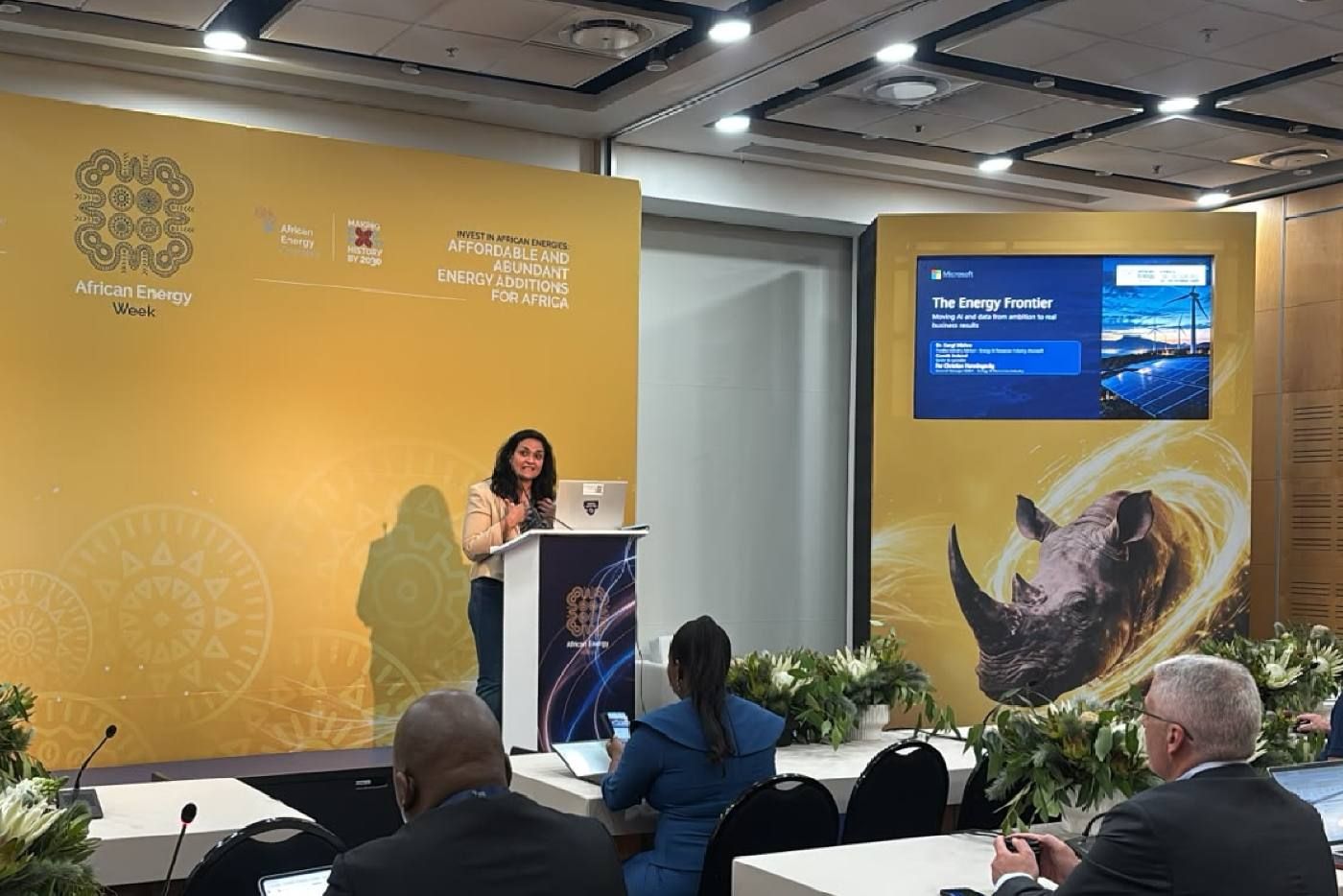
African Energy Week 2026, held in Cape Town from October 12 to 16, brought together governments, companies and investors to advance projects across the continent’s energy value chain.
The event’s investment discussions highlighted 15 oil, gas and power projects seeking more than $16 billion in funding. Angola outlined substantial upstream investment opportunities, while Côte d’Ivoire presented plans to attract $10 billion in energy investment by 2030. Senegal also promoted offshore acreage and gas infrastructure projects.
Tanzania reported progress towards finalising a proposed $42 billion liquefied natural gas project involving Equinor, Shell and other partners. The development could strengthen East Africa’s position in global gas markets, although financing, agreements and implementation remain critical milestones.
The conference also exposed the tension between expanding fossil fuel production and meeting climate commitments. Environmental campaigners protested against new oil and gas exploration, arguing that communities must not bear the environmental costs of energy development without adequate benefits.
For African governments, the challenge remains to attract capital, improve energy access and create jobs while enforcing environmental safeguards and developing renewable energy.

Global markets: Geopolitics rattles oil prices
International oil markets faced renewed volatility as escalating Middle East tensions heightened fears of supply disruptions. Brent crude rose to about $109.86 per barrel on October 16, while US West Texas Intermediate reached $101.41, according to the Financial Times.
Higher prices could improve export earnings for producing countries, including Nigeria, but also raise domestic fuel, transport and production costs. For oil-importing African economies, the pressure could intensify inflation and strain public finances.
At the same time, investment in renewables, storage and electricity networks remains central to the longer-term energy outlook. The week’s developments reinforced the importance of reliable supply, diversified energy sources and infrastructure capable of withstanding geopolitical and market shocks.
As the week closed, Nigeria had reasons to welcome its production gains and stronger consumer protections, but persistent electricity challenges and fuel affordability remained unresolved. Across Africa and the wider world, the central question was how to turn energy resources and investment commitments into dependable, affordable supply without sacrificing financial stability or environmental responsibility.