By Energy Worth Online
The energy sector entered the second week of August with a familiar but increasingly complex theme: energy security is no longer only about producing more oil and gas; it is also about refining, reliable electricity, resilient infrastructure, investment and access to cleaner energy.
From Nigeria’s expanding refining ambitions to Africa’s push for solar manufacturing and renewed global concerns over oil supply routes, the week of August 3–8, 2026 offered important signals across the entire energy value chain.
Nigeria: Refining, crude supply and electricity dominate
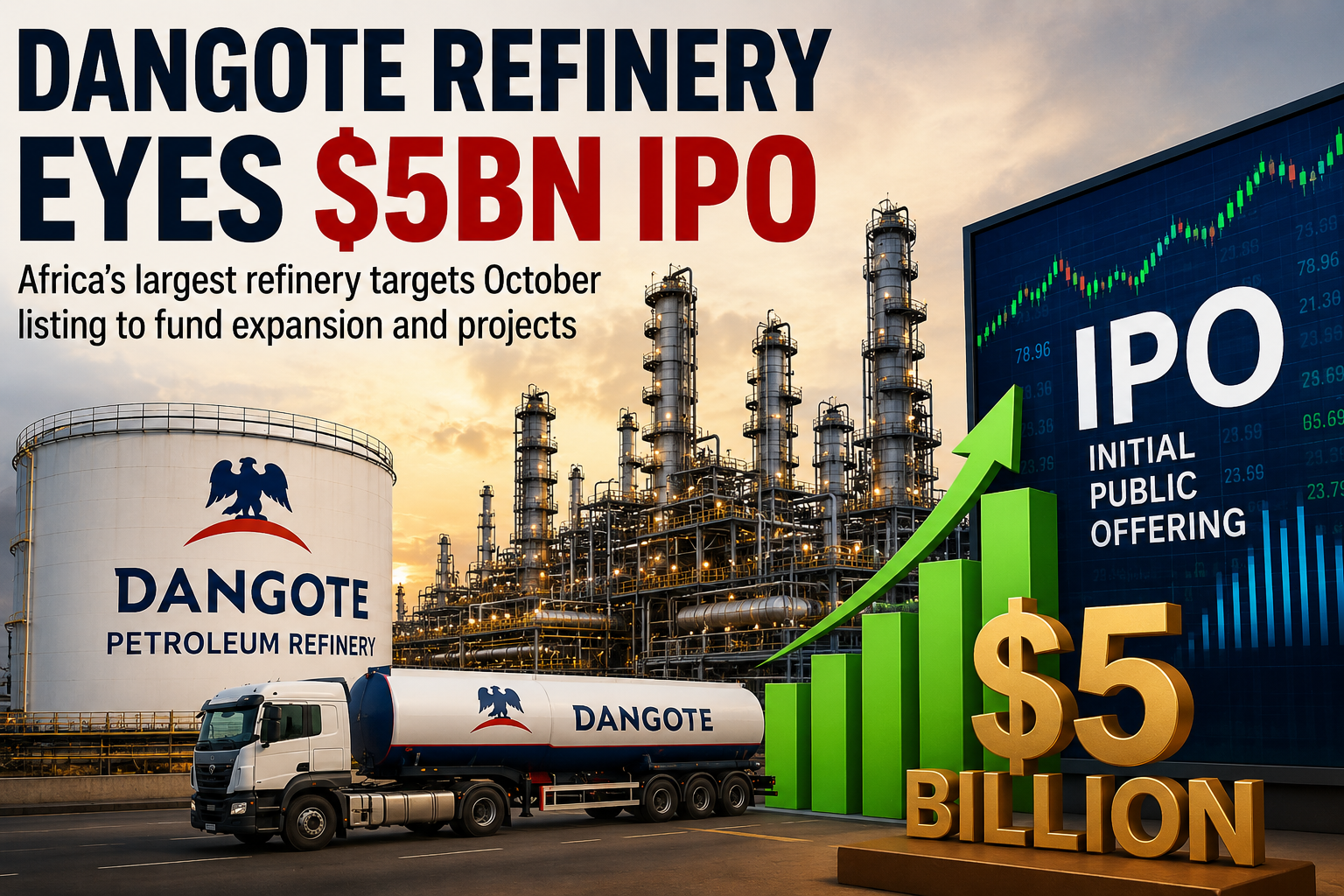
Nigeria’s downstream sector provided one of the biggest energy stories of the week as Dangote Petroleum Refinery moved closer to what could become Africa’s largest-ever stock-market listing. Reuters reported that the 650,000-barrel-per-day refinery is targeting about $5 billion through an October initial public offering, with the funds expected to support expansion and a planned refinery project in Kenya.

A successful listing could provide additional financing for refinery expansion while giving Nigerian and African investors a direct stake in one of the continent’s most strategically important energy assets. The proposed South African listing being considered after the Nigerian IPO also signals ambitions to position the refinery as a pan-African energy company.
On the upstream side, the Nigerian National Petroleum Company (NNPC) Limited continued efforts to commercialise Nigeria’s crude production. The company issued tenders for 950,000-barrel cargoes of Cawthorne and Bonny Light, indicating continued activity around Nigeria’s export programme. Cawthorne, which began exports in March, is part of efforts to diversify crude streams and increase production after years of underinvestment, theft and operational challenges.
The significance of this to the value chain is clear, increased upstream production provides feedstock for exports and, increasingly, for domestic refineries. However, Nigeria still faces the challenge of ensuring that growing crude output translates into local industrial value rather than primarily generating export revenue.
The week also reinforced concerns around electricity infrastructure as recent attacks and attempted thefts targeting transmission assets demonstrate that Nigeria’s power challenge is not simply about generation capacity. Transmission security, distribution investment and maintenance remain critical links between available generation and electricity reaching consumers. TCN has repeatedly warned that vandalism threatens grid reliability and destroys years of infrastructure investment.
Meanwhile, Nigeria’s broader electrification agenda continued to place renewable energy at the centre of efforts to improve access, particularly in underserved communities and critical public facilities.
Africa: Solar ambition meets manufacturing reality
Africa’s energy story this week centred increasingly on energy sovereignty. A major emerging trend is the continent’s attempt to build more of its own solar value chain rather than remaining almost entirely dependent on imported equipment. Africa has significant solar resources and demand for off-grid systems is expanding, but China remains dominant in the manufacture of key components.

Recent reporting shows countries including Nigeria, Morocco and South Africa are seeking to expand domestic solar manufacturing and assembly. Africa sold more than 10 million solar kits in 2025, demonstrating the growing importance of distributed energy systems. Yet many African factories still depend on imported solar cells and other critical components, illustrating the gap between assembling equipment locally and controlling the full manufacturing chain.
This is important because Africa's energy transition could create much more than electricity. A stronger local value chain could generate jobs in manufacturing, installation, engineering, maintenance, battery storage, recycling and finance.
At the same time, the continent continues to require oil and gas to support transportation, industry and electricity generation. Africa therefore faces the difficult task of expanding energy access while simultaneously managing the transition toward lower-carbon sources.
The World: Oil markets remain hostage to geopolitics
Global oil markets experienced another volatile week as developments involving Iran and the Strait of Hormuz continued to influence prices. Oil prices fell sharply at the beginning of the week after US President Donald Trump cancelled a planned attack on Iran in favour of possible negotiations. Brent crude fell about 7% to $83.77 per barrel, while WTI dropped to $80.34.
The episode demonstrated how quickly geopolitical developments can move energy prices. Even when physical supply has not immediately changed, expectations about shipping routes, sanctions, conflict and future production can influence crude prices.
By the end of the week, global energy security remained a major concern because the Strait of Hormuz crisis has exposed the vulnerability of an energy system heavily dependent on concentrated supply routes. For energy-importing countries, the lesson is increasingly clear: diversification of suppliers, fuels, infrastructure and technologies is becoming as important as securing physical oil and gas supplies.
The week also produced an important signal from the corporate energy world. Shell agreed to sell its European onshore renewables business to TotalEnergies, reflecting a strategic recalibration toward oil and gas while still maintaining exposure to lower-carbon energy. The transaction highlights the continuing debate within major energy companies over how quickly capital should move from hydrocarbons into renewables.
What the week means for the energy value chain
The major lesson from the week is that the energy transition is becoming an energy-security transition. Nigeria needs more crude production, reliable gas supplies, efficient refineries and stronger electricity infrastructure. Africa needs to develop its solar, battery and manufacturing capabilities without abandoning the hydrocarbons required for industrialisation. Globally, countries are balancing energy security, affordability, geopolitics and climate objectives.

The future energy system will therefore not be built around one fuel. It will depend on how effectively countries connect oil and gas production, pipelines, LNG, refining, electricity generation, transmission, distribution, solar, storage, manufacturing and finance into resilient value chains.
For Nigeria and Africa, the opportunity is enormous—but so is the challenge. The winners of the emerging energy economy will not simply be those that possess natural resources; they will be those that can convert resources into reliable power, competitive industries, jobs and long-term economic value.