By Energy Worth Online
Nigeria’s efforts to revive dormant oil production, rising pressure over petrol prices and fresh investments in Africa’s electricity infrastructure dominated the energy landscape this week, as global oil markets remained vulnerable to geopolitical tensions and shrinking emergency supply buffers.
From Abuja to international oil markets, developments across the energy value chain highlighted a common challenge: turning abundant natural resources into reliable energy supplies, economic growth and affordable power.
Nigeria: Oil recovery, fuel price pressure and power challenges
The Nigerian Upstream Petroleum Regulatory Commission (NUPRC) announced a 2026 oil and gas licensing round featuring 40 blocks across onshore, shallow-water and deepwater terrains, signalling renewed efforts to attract investors and expand petroleum production.

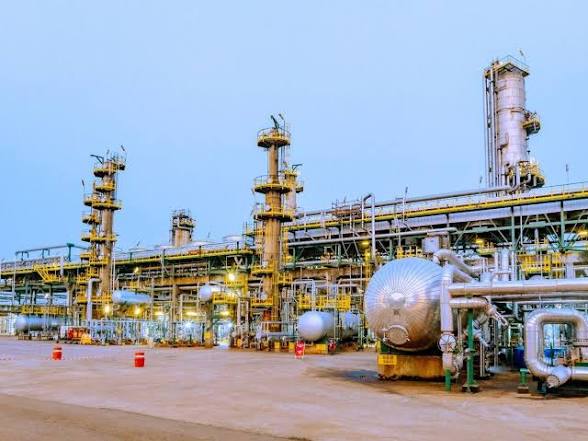
The commission also identified more than 788,000 barrels per day of shut-in production across 63 operators for possible recovery. It is targeting final investment decisions on offshore projects estimated at $30 billion to $50 billion, while seeking to increase domestic gas deliveries to meet outstanding obligations. The initiative could strengthen government revenues and energy security if investment translates into actual production.
However, the challenge remains converting announced opportunities into operational assets, particularly amid concerns over infrastructure, security, financing and regulatory certainty.
The downstream petroleum market also came under renewed scrutiny following the Federal Government’s introduction of a 30-day petrol discount at Nigerian National Petroleum Company (NNPC) retail outlets. The company reduced pump prices by ₦66 per litre, with the arrangement extended to October 31.
Although the government presented the measure as temporary relief rather than a return to fuel subsidy, questions persisted over its limited duration, reach and long-term impact on households and businesses. The restriction of the discount to NNPC retail outlets also raised concerns about equitable access for motorists who depend on other filling stations.
In the power sector, transmission infrastructure vulnerabilities remained a concern after the Transmission Company of Nigeria reported the collapse of towers along the Karu–Keffi–Akwanga transmission line, affecting 33kV feeders at the Keffi and Akwanga substations.
The incident underlined the importance of preventive maintenance, rapid repairs and investment in resilient transmission infrastructure to protect electricity supply to affected communities.

Meanwhile, Nigerian Electricity Regulatory Commission (NERC) data continued to provide insight into sector performance. Its August 2026 operational factsheet put average available generation capacity at 4,758 megawatts, with an average load factor of 86 per cent. The figures highlighted the need to improve plant availability, transmission capacity and distribution efficiency so that available electricity can reach consumers consistently.
Africa: New power links and gas-to-electricity plans
Across Africa, regional electricity integration and gas-fired generation featured prominently in efforts to meet growing demand.
The Democratic Republic of Congo and Zambia advanced plans for the Kalumbila–Kolwezi electricity interconnector through an agreement involving public authorities and private-sector partners, including Kinshasa, EnPower, Trafigura and Gridworks. The project is intended to facilitate electricity trading and serve power-intensive industries in the Copperbelt, where reliable supply is essential for mining and industrial expansion.
In Uganda, plans emerged for more than 100 megawatts of additional gas-to-power capacity through two licensed plants expected to supply upstream operations and potentially export surplus electricity to the national grid.
Benin also moved closer to restarting crude oil exports from its Sèmè field, potentially opening another avenue for petroleum revenue and regional energy-sector activity.
These developments demonstrate Africa’s continuing drive to expand generation, connect markets and monetise oil and gas resources. Their success will depend on financing, infrastructure delivery, effective regulation and commercially sustainable demand.

World: Oil markets confront shrinking safety bets
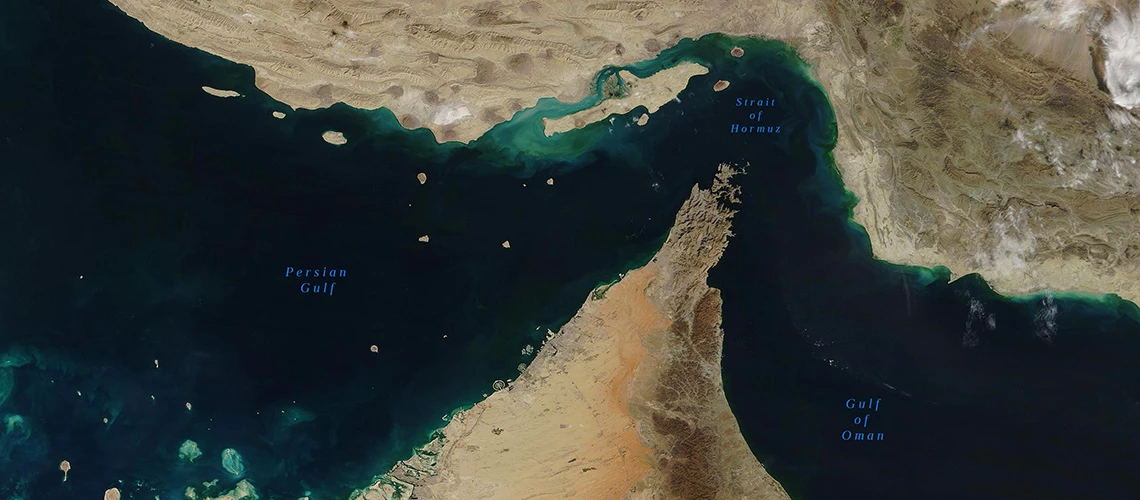
International oil markets remained sensitive to geopolitical risks and uncertainty over future supply. On October 6, Brent crude settled at $100.58 per barrel, while US West Texas Intermediate closed at $89.44, as traders weighed stronger Middle Eastern exports against escalating regional security concerns.
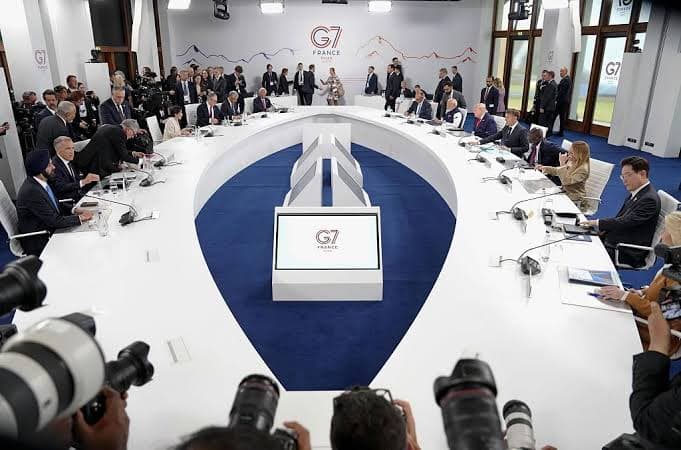
The Group of Seven’s planned release of 100 million barrels of emergency crude and diesel reserves, alongside preparations involving the International Energy Agency (IEA), reflected mounting concern about supply disruptions and elevated fuel costs.
Industry executives also warned that global commercial oil inventories had become dangerously depleted after extensive use of emergency reserves during conflicts in the Middle East and Ukraine. Such conditions leave markets more exposed to sudden disruptions, particularly if demand rises or major supply routes are interrupted.
In the United States, crude inventories fell by 3.2 million barrels to 424.1 million barrels in the week ended October 2, according to the Energy Information Administration (EIA). Refinery activity increased, while crude exports rose to 4.77 million barrels per day, adding another dimension to the shifting global supply picture.
Outlook
This week’s developments reinforced the need for energy policies that deliver measurable results rather than announcements alone.
For Nigeria, recovering shut-in oil production, expanding gas delivery, strengthening transmission infrastructure and improving electricity distribution remain critical. Across Africa, interconnected power markets and new generation projects could unlock industrial growth. Globally, depleted oil inventories and geopolitical uncertainty continue to threaten price stability.
The central question remains whether governments and industry players can translate investment plans and temporary interventions into lasting energy security, dependable electricity and affordable fuel.