By Energy Worth Online
Natural gas is one of the world's most important energy resources, powering industries, generating electricity, heating homes and serving as a major feedstock for fertiliser and petrochemical production. But beyond the gas supplied through pipelines and the liquefied natural gas (LNG) transported across oceans, there are different categories, extraction methods, commercial arrangements and environmental implications associated with the commodity.
Did you know that natural gas can be extracted from beneath the ocean, trapped in shale formations and even recovered from coal deposits?
What are the major types of natural gas?
Natural gas is primarily made up of methane (CH₄), although it contains smaller quantities of other hydrocarbons and impurities.
Based on their geological occurrence, the major categories include:
1. Conventional natural gas: Found in underground reservoirs where gas accumulates in porous rocks beneath impermeable layers. It is generally extracted through drilled wells.
2. Associated gas: Natural gas found alongside crude oil in petroleum reservoirs. It may be produced together with crude oil during oil extraction.
3. Non-associated gas: Gas found in reservoirs without significant quantities of crude oil. It is produced primarily for the gas market.
4. Shale gas: Natural gas trapped within fine-grained shale formations. Its extraction commonly involves horizontal drilling and hydraulic fracturing.
5. Tight gas: Gas trapped in low-permeability sandstone or carbonate formations, requiring specialised extraction techniques.
6. Coalbed methane: Methane found within coal seams, which can be recovered through specially drilled wells.

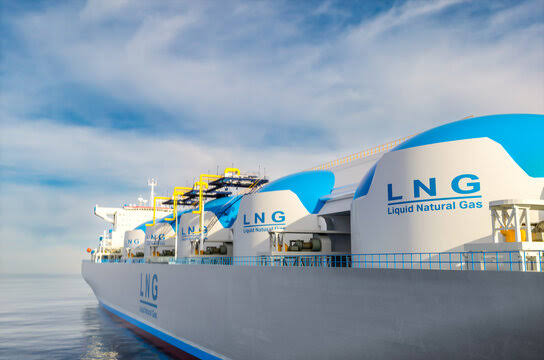
Natural gas is also classified according to its commercial form. Liquefied natural gas (LNG) is natural gas cooled to approximately -162°C, reducing its volume by about 600 times. Compressed natural gas (CNG) is stored under high pressure, usually around 200–250 bar, for transportation and use.
Liquefied petroleum gas (LPG), which consists mainly of propane and butane, is another important gaseous fuel, but it is different from natural gas. It is commonly obtained during natural gas processing and crude oil refining.
How is natural gas extracted?
The process begins with geological surveys and seismic studies to identify underground formations that may contain commercially viable gas deposits.
Exploration wells are subsequently drilled to confirm the presence of gas. Once a commercially viable discovery is established, production wells are developed.
Conventional gas generally flows to the surface under natural reservoir pressure, sometimes assisted by compression. Unconventional resources, particularly shale and tight gas, may require hydraulic fracturing, in which water, sand and carefully selected additives are pumped under pressure to create fractures that allow gas to flow.
The extracted raw gas is transported to processing facilities, where water, carbon dioxide, hydrogen sulphide and other unwanted substances are removed. Valuable natural gas liquids, including ethane, propane and butane, may also be separated before the processed gas enters pipelines or LNG facilities.
How is natural gas traded in the international market?
Natural gas is traded internationally mainly through two transportation channels:
- Pipeline gas: Gas is transported through interconnected high-pressure pipelines between producing and consuming countries. Long-term supply agreements are common because pipeline infrastructure requires substantial investment.
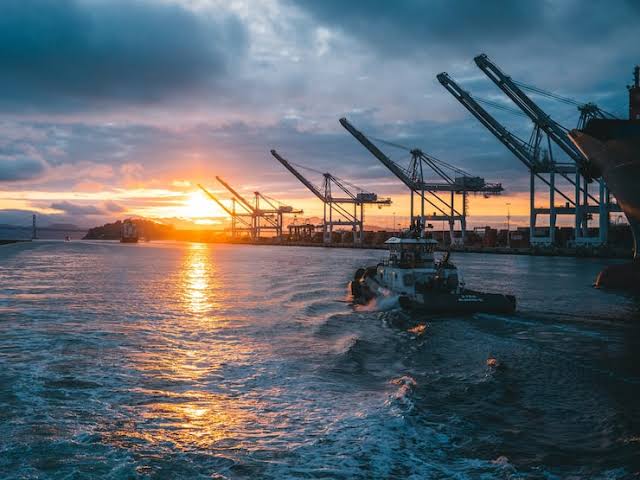
- Liquefied natural gas (LNG): Gas is cooled into liquid form, loaded onto specialised LNG carriers and transported by sea. At the destination, it is regasified before distribution to consumers.
International transactions generally take three major forms:
1. Long-term contracts: Buyers and sellers agree on supply volumes, prices and delivery obligations over several years, sometimes decades. These arrangements provide supply security and investment certainty.
2. Spot and short-term trading: Buyers purchase gas or individual LNG cargoes for immediate or near-term delivery. Prices respond more directly to prevailing supply and demand conditions.
3. Futures and financial trading: Standardised contracts allow market participants to hedge against price fluctuations. Important trading benchmarks include Henry Hub in the United States, the Dutch Title Transfer Facility (TTF) in Europe and the Japan-Korea Marker (JKM) in Asia.
LNG contracts also specify delivery responsibilities. Under Free on Board (FOB), the buyer generally arranges shipping after loading at the export terminal, while Delivered Ex-Ship (DES) places transportation responsibility on the seller until arrival at the agreed destination.
According to the International Gas Union's 2025 World LNG Report, international LNG trade reached a record 411.24 million tonnes in 2024, representing 2.4 per cent growth from 2023. The trade connected 22 exporting markets with 48 importing markets.
What are the major uses and benefits of natural gas?
Natural gas has applications across several sectors of the global economy.
- Electricity generation: Gas-fired power plants generate electricity and can provide flexible power supply to complement variable renewable energy.
- Industrial production: Industries use gas for heating, steam generation, furnaces and manufacturing processes.
- Fertiliser production: Natural gas is a major feedstock for producing ammonia, an essential ingredient in nitrogen-based fertilisers.
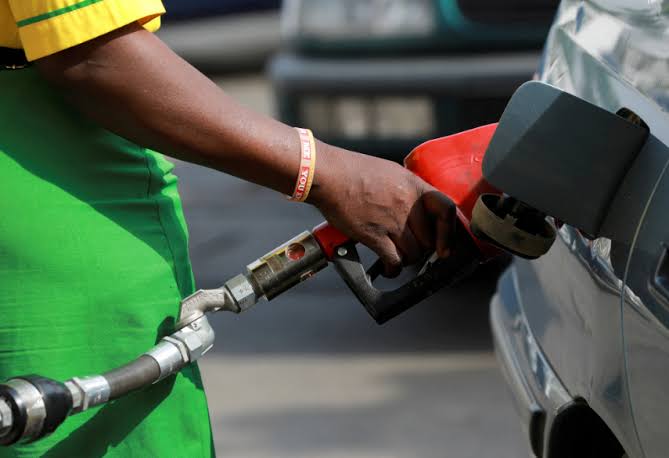
- Transportation: CNG is used in vehicles, while LNG powers certain heavy-duty trucks and marine vessels.
- Cooking and heating: Processed natural gas and LPG are widely used for domestic cooking, water heating and industrial heating.
- Petrochemicals:Natural gas liquids, particularly ethane, provide raw materials for plastics and other chemical products.

One major advantage is that natural gas generally produces less carbon dioxide and fewer air pollutants than coal when burned to generate an equivalent amount of energy. It can also support industrial development, employment, government revenue and international trade.
What are the dangers and environmental concerns?
Despite its economic importance, natural gas is not an environmentally harmless energy source.
Methane, its principal component, is a potent greenhouse gas. Leaks during extraction, processing, transportation and distribution contribute to climate change. Gas combustion also releases carbon dioxide.
The International Energy Agency's Global Methane Tracker 2025 estimated that fossil fuel operations released approximately 200 million tonnes of methane globally in 2024. It also estimated that nearly 100 billion cubic metres of natural gas could have been made available to markets through methane-emission reductions.
Other concerns include:
- Gas explosions and fires: Leaks in pipelines, storage facilities and household installations can cause devastating explosions.
- Water contamination: Poorly managed hydraulic fracturing operations can expose groundwater and surrounding environments to pollution.
- Earthquakes: Some unconventional gas operations, particularly associated wastewater injection, can trigger seismic activity.
- Gas flaring: Burning unwanted gas wastes valuable resources and releases carbon dioxide and other pollutants.
- Price volatility: International gas prices can fluctuate significantly, exposing importing countries to supply disruptions and higher energy costs.
What does this mean for Nigeria?
Nigeria possesses substantial natural gas resources. According to the US Energy Information Administration, the country had an estimated 211.1 trillion cubic feet of proved natural gas reserves in 2024.
However, resource availability does not automatically translate into economic benefits. Infrastructure limitations, insufficient domestic processing capacity, pipeline constraints, financing challenges and gas flaring remain important industry concerns.
The EIA estimates that Nigeria flared approximately 229 billion cubic feet of natural gas in 2024, making it the world's seventh-largest gas-flaring country by volume that year.
Capturing more associated gas, expanding processing facilities, strengthening pipeline infrastructure and developing domestic and international markets could improve energy supply, industrial productivity and export earnings.
The big question: Can Nigeria transform its enormous natural gas reserves into a reliable source of electricity, industrial growth, cleaner cooking and foreign exchange while reducing methane emissions and gas flaring?
Natural gas remains an important component of the global energy mix, but its long-term value will depend not only on how much countries produce and sell, but also on how responsibly they extract, transport and utilise it.