By Oke Peter
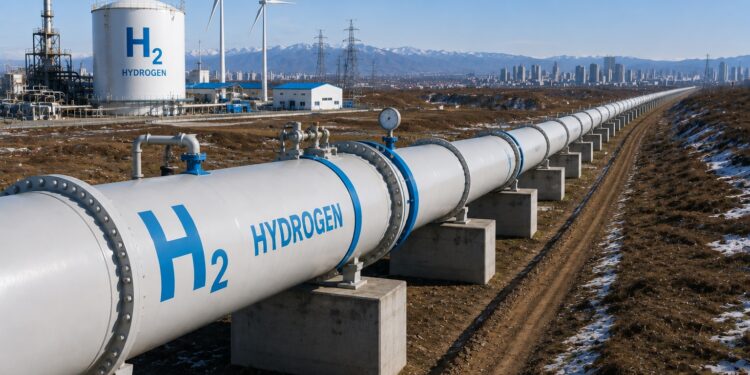
Hydrogen is increasingly being promoted as one of the fuels that could shape the future of global energy. From electricity generation and transportation to steel manufacturing, fertiliser production and industrial processes, the gas is attracting growing attention as countries seek alternatives to conventional fossil fuels.
However, an important fact many people may not know is that not all hydrogen is clean energy. Although hydrogen can generate electricity without releasing carbon dioxide at the point of use, its overall environmental impact largely depends on how it is produced.
Hydrogen is a colourless, odourless gas that occurs naturally in compounds such as water and hydrocarbons. Unlike crude oil and natural gas, it is not generally extracted and used directly as a primary energy source. It must first be produced using other energy sources.

This is where the different categories of hydrogen come into play.
Understanding the different types of hydrogen
Hydrogen is commonly classified using colours to describe the methods used in its production. The major categories include grey, blue and green hydrogen.
Grey hydrogen is produced mainly from natural gas through a process known as steam methane reforming. During this process, natural gas reacts with steam to produce hydrogen, releasing carbon dioxide into the atmosphere. Because these emissions are not captured, grey hydrogen contributes to greenhouse gas emissions.
Blue hydrogen is also produced from fossil fuels, particularly natural gas, but with carbon capture, utilisation and storage (CCUS) technology. This technology captures some of the carbon dioxide generated during production for subsequent use or storage.
Although blue hydrogen can have lower emissions than grey hydrogen, it is not automatically emission-free. Its environmental performance depends on the quantity of carbon dioxide captured, methane leakage during natural gas production and transportation, and the effectiveness of long-term carbon storage.
Green hydrogen, on the other hand, is produced through electrolysis, a process that uses electricity to split water into hydrogen and oxygen. When the electricity comes from renewable sources such as solar, wind or hydropower, the process can produce hydrogen with very low greenhouse gas emissions.
This makes green hydrogen particularly attractive to countries pursuing cleaner energy systems. However, the electricity supply, equipment, water requirements and infrastructure needed for large-scale production remain important considerations.
How much hydrogen is actually clean?
Recent figures from the International Energy Agency (IEA) reveal why it is important not to describe every form of hydrogen as clean energy.
According to the IEA's Global Hydrogen Review 2026, global hydrogen demand surpassed 100 million tonnes in 2025. However, low-emissions hydrogen production reached only approximately one million tonnes, despite recording 20 per cent growth during the year.
This means that low-emissions hydrogen still accounts for less than one per cent of global production. The IEA expects its share to exceed one per cent in 2026 for the first time.

The figures show that, despite growing investments and international commitments, the global hydrogen industry remains heavily dependent on conventional production methods involving fossil fuels.
Why is hydrogen attracting global attention?
Despite the environmental challenges associated with some production methods, hydrogen offers significant opportunities for the energy industry.
It can be used in fuel cells to generate electricity, with water and heat as the main by-products during operation. It also has potential applications in heavy-duty transportation, shipping, aviation, steel production, chemical manufacturing and energy storage.
For industries where direct electrification is difficult or expensive, low-emissions hydrogen could provide an alternative to fossil fuels.
It can also help store renewable energy. For example, excess electricity from solar and wind installations can be used to produce hydrogen, which can subsequently be stored and used when electricity demand rises or renewable generation falls.
What does this mean for Nigeria and Africa?
Nigeria and other African countries have opportunities to participate in the emerging hydrogen economy through their natural gas resources and renewable energy potential.
The IEA estimates that Africa's hydrogen demand reached 3.1 million tonnes in 2024, representing approximately three per cent of global demand. Egypt, Algeria and Nigeria were among the leading consumers, with ammonia production accounting for nearly three-quarters of the continent's hydrogen use.
However, the report notes that existing supply is overwhelmingly based on natural gas, while low-emissions hydrogen production remains at an early stage.
Nigeria could explore green hydrogen production using renewable electricity, particularly as investment in solar and other renewable energy sources expands. Its existing gas industry could also support hydrogen-related technologies, provided emissions are properly managed.
Realising this opportunity will require investment in production facilities, electricity infrastructure, water management, storage, transportation, technical expertise and clear regulatory standards.
However, hydrogen has the potential to contribute significantly to the global energy transition, but its environmental benefits should not be taken for granted.
Green hydrogen produced with renewable electricity offers a promising low-emissions pathway, while blue hydrogen can reduce emissions when carbon capture is effective and methane leakage is controlled. Grey hydrogen, however, continues to carry a substantial carbon footprint.
The important lesson is that hydrogen is not automatically clean simply because it can generate electricity without producing carbon dioxide at the point of use.
What matters most is not just the hydrogen we use, but how it is produced.